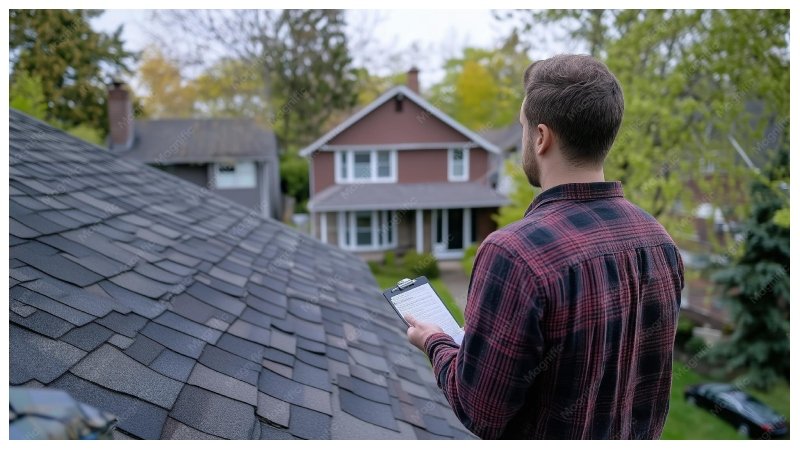
Three quotes on the kitchen table. One for £2,400, one for £4,100, and one scribbled on the back of a business card for £1,200 “cash, start Monday. ” All three for the same roof. We see this a lot, and the cheapest quote is rarely the cheapest job.
Choosing a roofer in Bristol isn’t hard once you know what you’re comparing. The trouble is that most homeowners only need one every ten or fifteen years, so they’ve no idea what a good quote looks like or which questions sort the professionals from the chancers. This is what we’d want to know if we were on your side of the table.
Start With What the Job Actually Is
Before you ring anyone, get clear on the problem. “Leaking roof” could mean three slipped tiles, a failed lead valley, a perished flat roof over the kitchen or a chimney that needs repointing. Each one suits a slightly different kind of firm.
Write down what you’ve noticed and when. Stains on which ceiling? Only in driving rain, or every time it rains? Any tiles in the garden? Photos help too. A decent roofer will still want to see it in person, but going in with notes means you can compare like with like when the quotes arrive.
Most established roofers in Bristol will cover pitched roofs, flat roofs, leadwork, chimneys, and guttering. Some firms specialize, though. If you’ve got a listed Georgian terrace in Clifton with natural slate and complex leadwork, you want someone who does heritage work week in, week out, not a firm that mostly fits concrete tiles on new estates.
Questions Worth Asking Before You Hire
Go through these on the phone or at the visit. A good roofer won’t mind. A bad one will get vague very quickly.
Are You Insured, and Can I See It?
Public liability insurance of at least £2m is normal for a roofing firm, and many carry £5m. Ask for a copy of the certificate and check the dates. If they employ staff, they should also hold employer’s liability insurance.
Will You Go Up and Show Me Photos?
Anyone quoting a roof repair from the pavement is guessing. We take photos or drone footage of the problem and show the customer before we quote. If someone tells you the whole roof needs replacing but can’t show you why, get another opinion.
What Exactly Is in the Quote?
A proper quote is written, itemized, and specific. It should name the materials (for example, “Spanish natural slate, 500 x 250mm, copper nails”), say whether scaffolding is included, mention VAT, and explain how waste will be removed. “Repair roof, £1,800” isn’t a quote.
Who Will Actually Do the Work?
Plenty of firms subcontract. That’s not automatically bad, but you want to know who’s turning up, whether they’re covered by the same insurance and who you call if something goes wrong.
How Will You Protect the House and Garden?
Re-roofing is messy. Old slates, battens, and decades of dust have to come down somehow. Ask whether they use a rubbish chute or a skip, whether they sheet the scaffold, and how they’ll cover the roof overnight if rain comes in halfway through. A firm that has thought about this will answer straight away. Also check they hold a waste carrier license, so your old roof doesn’t end up fly-tipped down a lane with your address on it.
What Guarantee Do I Get?
For repairs, 1 to 5 years is typical depending on the work. For a full re-roof, 10 years or more on workmanship is common, plus manufacturer warranties on membranes and flat roof systems. Ask whether the guarantee is insurance-backed, which protects you if the firm stops trading.
Do You Need Building Control or Planning?
Replacing a large part of a roof covering usually needs to meet building regulations, including insulation in some cases. Listed buildings and conservation areas bring extra rules. A roofer who understands this will tell you before you ask.
What Roofing Work Typically Costs
Prices vary with access, roof shape, and materials, but these are realistic 2026 ranges for a typical terraced or semi-detached house:
- Call-out and inspection: £0 to £150 (many firms visit free for quotes)
- Replacing a few slipped tiles or slates: £150 to £450
- Re-bedding or replacing a ridge: £400 to £1,500
- Chimney repointing and new lead flashing: £600 to £2,000 with scaffold
- Lead valley replacement: £800 to £2,000
- Flat roof replacement, single garage, or rear extension: £1,500 to £4,500
- Full re-roof, concrete tiles, two-up two-down terrace: £6,000 to £10,000
- Full re-roof in natural slate, larger semi or Victorian house: £10,000 to £20,000+
- Scaffolding: £700 to £2,000 depending on height and how many elevations
Check whether prices include VAT, because a smaller firm under the threshold may not charge it while a larger one will. If one quote is half the price of the other two, ask why. Usually something has been left out: scaffolding, a new breathable membrane, replacement battens, lead, or waste disposal.
Bristol Homes Have Their Quirks
The housing mix matters. Victorian terraces in Bedminster, Southville, and Totterdown often have Welsh slate roofs that are 120 years old, shared chimney stacks, and valleys hidden behind parapet walls. The big Georgian and Victorian houses in Clifton and Cotham frequently sit in conservation areas, which can limit what materials you can use on visible slopes. Post-war semis out towards Southmead or Hengrove tend to have concrete tiles and simpler roofs, which keeps costs down.
Steep streets make a difference too. Scaffolding a three-story house on a hill in Totterdown is a very different job from scaffolding a bungalow, and that shows up in the price. Some streets also need a scaffold license from the council for anything on the pavement.
Red Flags to Walk Away From
- Turning up uninvited after a storm and saying they “noticed a problem” from the road
- Asking for full payment or a large cash deposit before starting
- No landline, no address, no VAT number, no written quote
- Pressure to decide today because of a “discount”
- Vague answers on insurance or guarantees
A deposit of 20 to 30% for materials on a larger job is normal. More than that, or cash only, is a warning sign. Trade body membership like the NFRC, or TrustMark registration, is a good extra check, and reviews with photos of finished jobs count for more than star ratings.
At Bristol Roofing Pros we put every quote in writing, with photos of the problem attached, so customers can compare our price against anyone else’s on a level footing. Any roofer you’re thinking of using should be willing to do the same.
If you’ve got a roof problem in Bristol and want an honest second opinion on a quote, ask a local firm round for a free inspection before you commit to anything.
Frequently Asked Questions
How much does a roofer cost in Bristol?
Small repairs such as a few slipped tiles usually cost £150 to £450. Ridge work runs £400 to £1,500, and a flat roof replacement on a garage or extension is typically £1,500 to £4,500. A full re-roof ranges from about £6,000 on a small terrace to £20,000 or more for a large slate roof.
How many quotes should I get?
Three is sensible for anything over a few hundred pounds. Make sure each roofer is quoting for the same scope, materials, and scaffolding; otherwise, you aren’t comparing like with like. Ask each one to explain anything that differs.
What insurance should a roofer have?
At least £2m of public liability insurance and employer’s liability if they have staff. Ask to see the certificate and check if it’s in date. An insurance-backed guarantee on larger jobs is a useful extra.
Should I pay a deposit to a roofer?
A deposit of 20 to 30% on bigger jobs is normal, usually to cover materials. Never pay the full amount up front, and be wary of anyone asking for cash only. Small repairs are normally paid on completion.
How long does a full re-roof take?
Most re-roofs on a typical terraced or semi-detached house take one to two weeks, weather permitting. Larger houses, natural slate, or chimney work can stretch that to three weeks. Scaffolding usually goes up a day or two before work starts.