
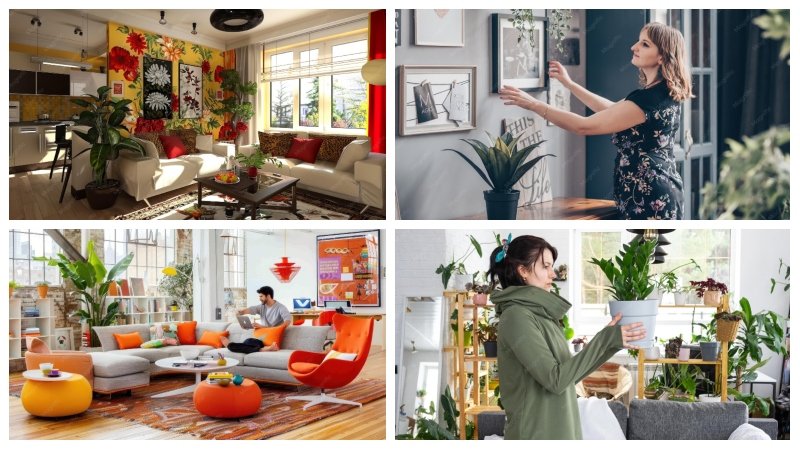
A beautifully decorated home can improve comfort, functionality, and the way you experience everyday life. But creating a stylish interior does not always require expensive furniture or a complete renovation. According to the 60-30-10 color rule, balancing three proportions of color can help create a visually harmonious space. With the right planning, lighting, furniture arrangement, and decorative accessories, even a small room can feel more inviting. Decoration tips Decoradhouse from DecoratorAdvice offers practical ideas to help homeowners and decorators transform ordinary spaces into attractive interiors while managing their budgets and expressing their personal style.
Plan Your Home Decoration Before You Begin
Successful interior decoration starts with a clear plan. Before buying furniture or selecting paint, consider how each room will be used, what you already own, and which improvements matter most.
Understand Your Space and Requirements
Begin by examining the room’s size, natural light, existing furniture, and available storage. A small apartment may need space-saving furniture, while a large living room may benefit from separate seating or activity areas.
Measure the walls, windows, doorways, and furniture before making purchases. These measurements help prevent costly mistakes and make it easier to compare different layouts.
Create a Realistic Decorating Budget
Divide your budget into essential categories, such as painting, furniture, lighting, curtains, and accessories. Prioritize repairs and functional improvements before purchasing decorative items.
For example, repainting faded walls, replacing outdated light fixtures, or rearranging existing furniture may improve a room more than buying several new accessories.
Professional tip: Choose three main goals for each room, such as improving comfort, increasing storage, and creating a modern appearance. This keeps your decorating decisions focused.
Choose a Color Scheme That Creates Harmony
Color is one of the most influential elements in interior design. The right combination can make a room feel brighter, calmer, warmer, or more sophisticated.
Use the 60-30-10 Decorating Rule
A useful starting point is the 60-30-10 rule, which divides a room’s color scheme into three proportions:
-
60% dominant color: Usually the main wall color or another large visual surface.
-
30% secondary color: Often used for furniture, curtains, or rugs.
-
10% accent color: Introduced through cushions, artwork, lamps, and decorative accessories.
For example, combine warm white walls with beige furniture and olive-green cushions. This palette creates a natural, balanced appearance without overwhelming the room.
Test Colors Under Different Lighting
Paint can appear different depending on the amount of daylight and the type of artificial lighting. Test sample colors on a small section of the wall before committing to the entire room.
Neutral shades such as cream, beige, soft gray, and warm white work well in many interiors. If you prefer a bolder look, consider navy blue, forest green, or terracotta for an accent wall or selected accessories.
Professional tip: Coordinate your paint colors with existing flooring, countertops, and large furniture pieces. These elements help establish a consistent design.
Arrange Furniture to Improve Space and Comfort
Furniture placement determines how easily people can move around a room and how welcoming the space feels. Even expensive furniture can look unattractive when it is poorly arranged.
Establish a Focal Point
A focal point is the feature that naturally attracts attention when someone enters a room. It might be a fireplace, a large window, an attractive headboard, or a carefully arranged artwork display.
In a living room, position seating to encourage conversation and make the main focal point visible. In a bedroom, arrange the bed to create a balanced appearance while maintaining convenient access to wardrobes and drawers.
Maintain Clear Walking Areas
Avoid placing furniture where it blocks doors, windows, or natural walking routes. Leave enough room to open cabinets, pull out chairs, and move comfortably between different areas.
For smaller homes, consider multifunctional furniture such as storage ottomans, folding desks, nesting tables, and beds with built-in drawers.
Professional tip: Do not automatically push every piece of furniture against a wall. In larger rooms, placing seating slightly inward can create a more inviting and organized arrangement.
Use Lighting to Change the Atmosphere
Lighting affects how colors, furniture, and decorative features appear. A well-lit room feels more functional during the day and more comfortable in the evening.
Combine Three Types of Lighting
Ambient lighting
Provides general illumination through ceiling lights, recessed lights, or suitable overhead fixtures.
Task lighting
Helps with specific activities through desk lamps, reading lights, and under-cabinet fixtures.
Accent lighting
Highlights artwork, shelves, architectural details, and decorative objects.
Whenever possible, maximize natural daylight by keeping windows relatively unobstructed. Choose curtains according to the room’s privacy needs and the amount of light you want to maintain.
Warm light often works well in bedrooms and relaxation areas, while brighter task lighting can help in kitchens and workspaces.
Add Texture, Fabrics, and Decorative Accessories
A room can have beautiful furniture and attractive paint colors yet still feel incomplete. Texture and accessories add depth, personality, and visual interest.
Combine Different Materials
Try mixing wood, linen, cotton, glass, metal, and textured fabrics. For example, a wooden coffee table, soft rug, linen curtains, and knitted cushions can make a simple living room feel more inviting.
You do not need to purchase everything at once. Start with items that complement your existing furniture and introduce additional details gradually.
Decorate Without Creating Clutter
Use cushions, mirrors, indoor plants, framed artwork, and decorative bowls selectively. A few well-positioned pieces often create a stronger visual effect than numerous unrelated objects.
Mirrors can reflect available light and create a greater sense of openness when placed thoughtfully. Indoor plants can introduce natural color, provided the selected varieties suit the room’s light and care conditions.
Professional tip: Repeat one or two accent colors throughout the room. For example, a color used in cushions can appear again in artwork or a small decorative object to create visual consistency.
Make Small Rooms Look Bigger and More Organized
Small spaces require careful planning, but limited square footage does not mean you must sacrifice style. The goal is to make the room feel open while ensuring that every item serves a purpose.
Use Space-Saving Decoration Ideas
Consider these practical improvements:
-
Choose furniture with exposed legs to create a lighter visual appearance.
-
Use vertical shelves to increase storage without occupying much floor space.
-
Select curtains that hang close to the ceiling to emphasize wall height.
-
Use light or coordinated colors to create a more continuous appearance.
-
Keep frequently used surfaces free from unnecessary objects.
-
Choose furniture that provides hidden storage where possible.
Keep Storage Both Functional and Attractive
Use baskets, labeled boxes, drawer organizers, and decorative storage containers to manage everyday belongings. Arrange books and accessories in small groups rather than filling every shelf.
Avoid choosing furniture that is too large for the room. Measure the available space and consider how the item will affect movement before purchasing it.
Personalize Your Interior and Review the Final Design
The final step is to make your home reflect your personality rather than simply copying a showroom or a popular design trend.
Add Meaningful Decorative Features
Display family photographs, travel souvenirs, handmade crafts, favorite books, or artwork that matches your interests. These details make the space feel personal and distinctive.
When creating a gallery wall, arrange the frames on the floor first. Experiment with spacing and alignment before hanging them to achieve a balanced composition.
Conclusion
Creating a beautiful home requires planning, creativity, and attention to detail rather than unlimited spending. By following these decoration tips from Decoradhouse from DecoratorAdvice, homeowners and decorators can make informed decisions about colors, furniture, lighting, storage, and accessories.
Start by identifying your needs, establish a realistic budget, and improve one room at a time. Focus on comfort and functionality before adding decorative details. With thoughtful choices and a consistent design approach, you can transform ordinary interiors into welcoming spaces that reflect your personal style.
Please visit my site, Dr Homey Interior, for more details.