
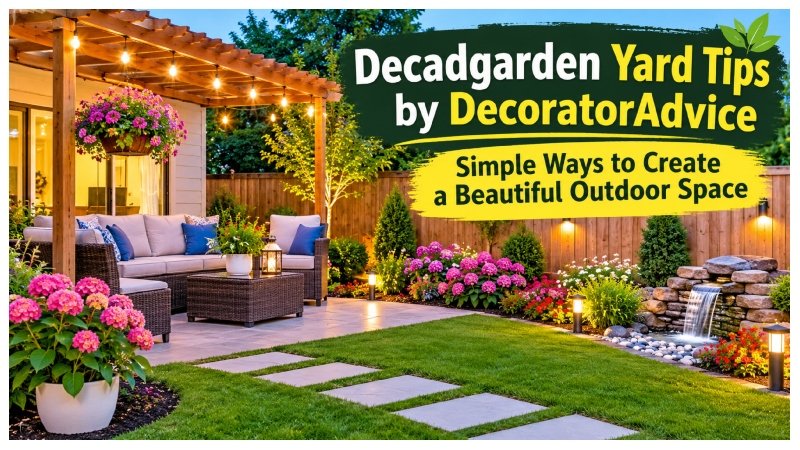
A beautiful yard can change the way people enjoy their homes. It offers a place to relax, grow fresh food, spend time with family, and connect with nature. However, creating an attractive outdoor space takes more than buying flowers and placing a few decorations. Good planning, suitable plants, healthy soil, and thoughtful design all play an important role. Decadgarden yard tips by decoratoradvice focus on making outdoor spaces both attractive and practical.
A successful garden should also match the homeowner’s lifestyle. Some people prefer colorful flower beds, while others want a peaceful sitting area or a small vegetable garden. The best decadgarden yard tips by decoratoradvice help bring these different ideas together without making the yard difficult to manage.
Begin With the Ground Beneath Your Feet
Before changing your yard, take a closer look at the ground. Soil conditions affect almost every gardening decision. Some areas have sandy soil that loses water quickly. Others contain heavy clay that holds too much moisture.
A basic soil test can help identify its pH level and nutrient content. This information makes it easier to choose suitable plants and soil improvements. Avoid adding fertilizer without understanding what your soil needs.
Compost is another useful addition. It adds organic matter and can improve soil structure. You can use mature compost made from suitable garden waste, dry leaves, and vegetable scraps.
Drainage deserves equal attention. Walk around your yard after rainfall and look for areas where water remains for a long time. Poor drainage can damage roots and create problems near patios and walkways. Fix these issues before installing expensive garden features.
Design the Garden Around Everyday Activities
A garden should serve a clear purpose. Instead of treating the entire yard as one large space, divide it into smaller areas.
For example, you can create:
- A quiet corner for reading and relaxation.
- A flower bed near the entrance.
- A small vegetable patch for fresh produce.
- An open area for children or family activities.
- A shaded space for outdoor meals.
Keep enough room between these areas for comfortable movement. A simple pathway can connect the entrance, garden beds, and seating space.
Gravel, bricks, stepping stones, and natural stone are useful pathway materials. Choose surfaces that provide good footing and handle local weather conditions. Clear walking routes also protect flowers and grass from unnecessary foot traffic.
Choose Plants That Belong in Your Environment
A plant may look beautiful in a nursery but struggle after you bring it home. Temperature, sunlight, soil, and water availability all affect plant growth.
Start with varieties that grow well in your local climate. Native and locally adapted plants can be useful because they often suit regional conditions. They may also support local butterflies, bees, and other pollinators.
Think about plant height before arranging your flower beds. Place taller shrubs toward the back and shorter flowers near the front. If people can view the bed from every direction, taller plants may look better near its center.
You can also combine evergreen plants with seasonal flowers. Evergreens maintain structure, while flowering varieties introduce changing colors throughout the year.
For a more useful garden, grow herbs such as mint, basil, coriander, and rosemary where conditions allow. You can keep them in separate containers or create a small kitchen garden.
Make Watering Work Smarter
Watering mistakes can damage even a carefully planned garden. Too little water can stress plants, while excessive watering can reduce oxygen around their roots.
Check the soil before watering. Its surface may look dry even when the deeper soil still holds enough moisture. Different plants also have different watering needs, so avoid giving every plant the same amount.
Drip irrigation and soaker hoses offer practical solutions for garden beds. They deliver water close to plant roots and reduce unnecessary spraying. Morning watering can also help limit evaporation during hot weather.
Mulching provides another way to conserve moisture. Shredded leaves, bark, and suitable organic materials can cover the soil surface. Mulch also helps control weeds and moderate soil temperature.
Keep mulch away from direct contact with tree trunks and plant stems. A small gap helps prevent excess moisture from collecting against the plant.
Give Small Yards a Different Kind of Beauty
Limited space does not mean limited creativity. A small yard can look attractive when every feature has a clear purpose.
Vertical gardening is especially useful. Wall planters, hanging baskets, and trellises allow you to grow plants without taking up much ground space. Climbing plants can also cover suitable fences and garden screens.
Containers provide another flexible option. You can move them when sunlight changes or rearrange them to create a fresh look. Select pots with drainage holes and enough room for healthy root growth.
Furniture should also match the available space. A narrow bench, folding chairs, or a compact table may work better than a large outdoor furniture set.
Avoid filling every corner with ornaments. One attractive planter or a small flowering tree can create more impact than several unrelated decorations.
Turn an Empty Corner Into an Outdoor Retreat
A comfortable seating area can become the most enjoyable part of a garden. It does not require a large patio or costly furniture.
Choose a location that offers a pleasant view and suitable shade. A tree, umbrella, or pergola can provide protection from direct sunlight. Add weather-resistant cushions if you want extra comfort.
Privacy can improve the experience. Tall shrubs, climbing plants, and suitable garden screens can create a natural boundary. However, leave enough space for airflow and sunlight.
Lighting can make this area useful after sunset. Solar pathway lights, outdoor wall fixtures, and warm string lights are practical choices. Focus on entrances, steps, and seating areas instead of illuminating every corner.
Decadgarden yard tips by decoratoradvice also highlight the importance of balancing decoration with everyday comfort. A well-placed seat, healthy greenery, and soft lighting can make a simple yard feel more inviting.
Add Features That Support Nature
A garden can look beautiful while supporting the local environment. Small changes can reduce waste and provide useful spaces for wildlife.
Start by composting suitable organic waste. Finished compost can return valuable organic matter to garden soil. You can also collect rainwater in a covered container for suitable gardening tasks, where local rules allow.
Choose flowering plants that provide nectar and pollen. Different flowering periods can offer food for pollinators across more of the growing season.
Avoid using pesticides without identifying the problem first. Some insects help control garden pests, while others support pollination. When treatment becomes necessary, follow product instructions and local safety guidance.
You can also reuse suitable pots, wooden containers, and other materials. Make sure reused items are safe for plants and can withstand outdoor conditions.
A Simple Routine Keeps the Garden in Shape
Garden maintenance becomes easier when you handle small tasks regularly. You do not need to complete every job on the same day.
A practical routine includes:
- Checking soil moisture and plant condition.
- Removing weeds before they spread.
- Cleaning leaves from pathways.
- Trimming damaged branches when appropriate.
- Checking containers for proper drainage.
- Inspecting irrigation pipes for leaks.
- Cleaning outdoor furniture when needed.
Seasonal care also matters. Some plants need pruning after flowering, while others require protection during extreme temperatures. Always check the needs of individual plants before cutting branches or applying treatments.
Avoid These Costly Outdoor Design Mistakes
Even a beautiful design can create problems when homeowners overlook basic details.
One common mistake is planting trees too close to walls, paths, or underground services. Always check their expected mature size before choosing a location.
Another mistake is buying too many decorative items. Too many colors, materials, and ornaments can make an outdoor space feel disorganized.
Poor drainage, blocked pathways, and unsuitable furniture can also reduce comfort. Fix practical problems before spending money on additional decorations.
Most importantly, choose a design that matches the time you can give to maintenance. A simple garden that receives regular care often looks better than an elaborate space that becomes neglected.
Conclusion
A beautiful yard grows from thoughtful decisions rather than expensive changes. Healthy soil, suitable plants, smart watering, comfortable seating, and balanced decoration can create an outdoor space that serves many purposes. Start with the areas that need the most attention and improve them gradually. Decadgarden yard tips by decoratoradvice provide a practical approach to building a garden that feels natural, useful, and welcoming throughout the year.