
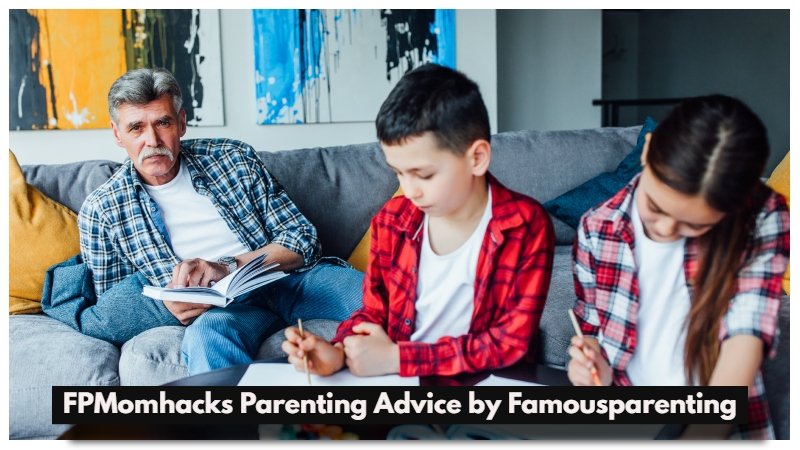
Parenting often brings small challenges that can quickly turn into stressful moments. From bedtime struggles to emotional outbursts, parents need practical guidance that works in everyday life.
FPMomhacks parenting advice by Famousparenting focuses on simple parenting ideas, including consistent routines, positive communication, and encouraging healthy behavior. These approaches can help families create a supportive home environment without expecting parents or children to be perfect.
Every child develops differently, so families should adapt parenting strategies to their children’s ages, personalities, and needs.
1. Create Simple and Flexible Family Routines
Children often feel more comfortable when they know what to expect. Regular routines can make mornings, mealtimes, and bedtime easier to manage.
Start with a few predictable activities rather than planning every minute of the day.
- Prepare school clothes and bags the night before.
- Keep bedtime activities in a familiar order.
- Set regular times for meals and family activities.
- Allow flexibility when plans change.
For example, a bedtime routine might include putting toys away, brushing teeth, reading a short story, and turning off the lights.
The American Academy of Pediatrics explains that predictable routines can help organize family life and provide children with stability. Parents can learn more from its guide on the importance of family routines.
2. Build Stronger Connections Through Communication
Children need to feel heard and understood. Listening carefully can help parents identify the reasons behind difficult behavior.
When a child feels upset, avoid rushing straight into criticism or solutions. Give them time to explain what happened.
Try simple responses such as
- “Can you tell me what made you upset?”
- “I understand that you feel disappointed.”
- “Let’s work out what we can do next.”
For younger children, naming emotions can help them connect feelings with words. Parents can also respond to a child’s interests by asking questions and playing together.
Harvard’s Center on the Developing Child describes responsive parent-child interactions as “serve and return.” These everyday exchanges help support early communication and development.
3. Use Positive Discipline With Clear Boundaries
Positive discipline does not mean allowing children to do whatever they want. It means teaching acceptable behavior through clear rules, calm guidance, and consistent consequences.
When setting boundaries:
- Explain rules in language your child understands.
- Focus on behavior rather than labeling the child.
- Recognize helpful actions and genuine effort.
- Follow through calmly when a rule is broken.
- Offer age-appropriate choices when possible.
For example, if a child refuses to put toys away, explain that toys need to be stored before the next activity begins.
Instead of saying, “You are always messy,” try, “Please put the blocks in their box before we start reading.”
The American Academy of Pediatrics recommends positive discipline strategies that teach children appropriate behavior while supporting healthy development. Its guidance also advises against physical punishment and harsh verbal discipline.
4. Make Your Home Support Healthy Family Habits
A supportive home environment can make everyday parenting tasks easier. Small changes in the layout and organization of living spaces may help children participate in family routines.
Consider these practical ideas:
- Keep frequently used toys in accessible storage baskets.
- Create a quiet corner for reading or calming down.
- Use child-friendly shelves for books and learning materials.
- Keep walkways clear and store potentially dangerous items safely.
- Set aside a shared space for family activities.
A reading corner does not need expensive furniture. A comfortable seat, good lighting, and a small collection of books can create a welcoming space.
Encourage children to help maintain these areas. Simple tasks, such as returning books to a shelf or placing toys in a basket, can gradually build responsibility.
Parents can also explore the CDC’s Positive Parenting Tips for age-based guidance on children’s development and supportive parenting practices.
5. Encourage Healthy Habits Through Everyday Activities
Children learn many important skills through regular family activities. Parents can encourage healthy habits by making simple tasks part of daily life.
For example, reading together can support language development, while outdoor play gives children opportunities to move and explore.
Parents can also involve children in preparing meals, organizing belongings, and choosing family activities.
The key is to keep expectations realistic. Younger children may need more help, while older children can gradually take on additional responsibilities.
Celebrate progress rather than expecting immediate results. Small improvements can help children develop confidence and a positive attitude toward learning.
Conclusion
FPMomhacks parenting advice by Famousparenting offers a useful starting point for parents seeking everyday guidance. The most practical approach is to combine predictable routines, thoughtful communication, clear boundaries, and a supportive home environment.
Start with one small change and observe how your child responds. Parenting strategies should support your family, not create another standard to worry about.
For more reliable guidance, use established child-development resources and consult a qualified professional when concerns about your child’s behavior, development, or well-being persist. See more blogs
FAQs
1. What is FPMomhacks parenting advice by Famousparenting?
It covers practical parenting ideas related to routines, communication, positive discipline, and family life.
2. How can parents create better family routines?
Set consistent times for meals, bedtime, and daily activities while allowing flexibility.
3. Why is positive discipline important?
It helps children understand boundaries, learn responsibility, and develop appropriate behavior.
4. How can parents improve communication with children?
Listen patiently, acknowledge their feelings, and encourage them to express themselves openly.
5. Where can parents find reliable parenting advice?
Parents can explore trusted resources such as the American Academy of Pediatrics and CDC Positive Parenting Tips.