
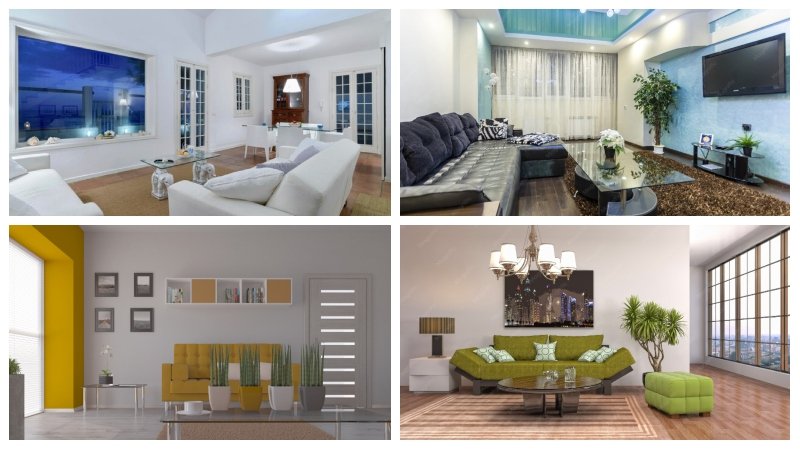
Creating a modern home is not simply about buying stylish furniture or following the latest décor trends. A well-designed modern interior should combine comfort, functionality, simplicity, and visual appeal. With the right planning, even small changes can give your home a fresh and contemporary appearance without requiring a major renovation.
For homeowners looking for practical inspiration, the Best Interior Design Tips from MintPalDecor offer useful ideas for improving different areas of a home. From choosing a suitable color palette and arranging furniture to using lighting, textures, and natural elements, these simple strategies can help create a modern and welcoming space.
Choose a Clear Modern Interior Style
The first step toward creating a modern home is deciding on a clear design direction. Modern interiors generally focus on clean lines, practical furniture, balanced colors, and uncluttered spaces.
Popular styles that can complement a modern home include:
- Modern: Clean lines, simple furniture, and contemporary materials.
- Minimalist: A limited number of carefully selected items with an emphasis on functionality.
- Scandinavian: Light colors, natural materials, comfortable furniture, and simple décor.
- Contemporary: Current design trends combined with practical and sophisticated elements.
- Modern Industrial: A combination of modern furniture, metal details, wood, and exposed architectural features.
You do not have to follow one style exactly. Combining complementary elements can help you create a modern interior that feels personal rather than generic.
Select a Modern and Practical Color Palette
Color plays an important role in modern interior design. Instead of filling a room with many competing shades, choose a simple palette and introduce accent colors carefully.
Neutral colors such as white, beige, gray, cream, and soft brown work well as a foundation. These shades can be complemented with black, deep green, navy, muted blue, or warm wood tones.
For example, white or light-gray walls paired with wooden furniture and darker accessories can create a clean and sophisticated appearance.
When choosing colors, consider the room’s natural lighting as well. The same shade can appear different depending on how much sunlight enters the space.
Maximize Natural Light
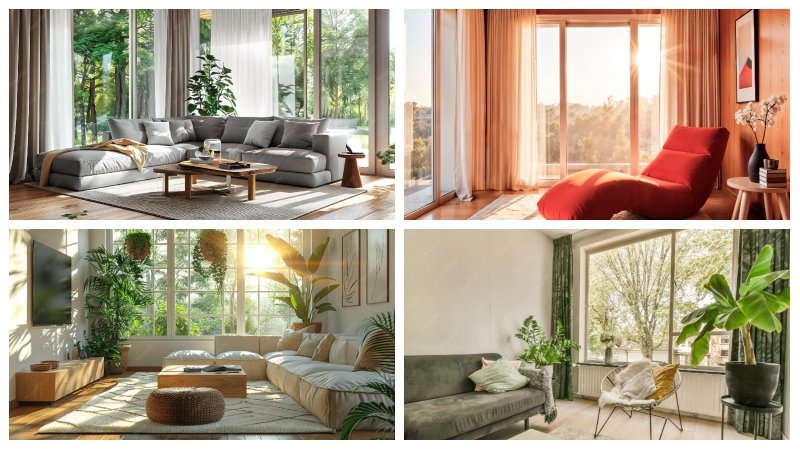
Natural light is one of the easiest ways to make a modern home feel open and inviting. Keep windows as clear as possible and avoid placing oversized furniture directly in front of them.
Light curtains can allow sunlight into the room while maintaining privacy. Mirrors can also be placed strategically to reflect natural light and create the impression of a larger space.
If a room receives limited sunlight, combine ceiling fixtures with floor lamps, table lamps, or wall lighting to create a warm and flexible environment.
Choose Furniture That Fits the Space
Modern interior design often emphasizes simplicity and functionality. Furniture should therefore be selected according to the size and proportions of the room.
Before purchasing a sofa, bed, dining table, or cabinet, measure the available space carefully. Oversized furniture can make even a large room feel crowded, while furniture that is too small can make the space look unbalanced.
For smaller homes, multifunctional furniture can be an excellent solution. Storage beds, compact shelving, nesting tables, and storage ottomans can provide useful functionality while maintaining a clean appearance.
Create a Clean and Balanced Furniture Layout
A modern room should have enough space for comfortable movement. Avoid filling every corner with furniture simply because there is available space.
Arrange major furniture pieces around a clear focal point. In a living room, for example, the sofa and chairs can be arranged around a coffee table, television, fireplace, or artwork.
Maintain clear walking paths between important areas. A well-planned layout not only looks better but also makes the room more comfortable to use.
Use Layered Lighting for a Modern Look
Lighting can dramatically change the appearance of a modern interior. Instead of relying on one ceiling light, use different lighting layers to create depth and atmosphere.
| Lighting Type | Purpose | Examples |
|---|---|---|
| Ambient Lighting | Provides overall illumination | Ceiling lights, recessed lights |
| Task Lighting | Supports specific activities | Desk lamps, reading lamps |
| Accent Lighting | Highlights selected features | Wall lights, spotlights, display lights |
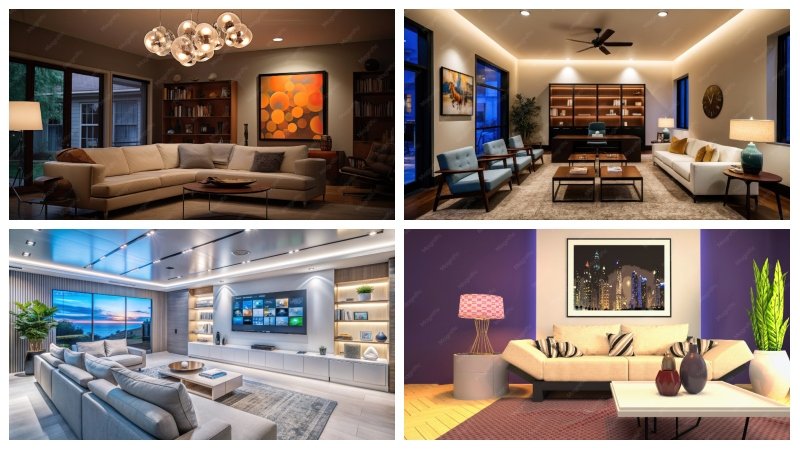
Modern pendant lights, minimalist floor lamps, and simple wall fixtures can also function as decorative elements while providing useful illumination.
Add Texture Without Creating Clutter
Modern interiors can sometimes appear too plain when every surface has the same finish. Adding subtle textures can make a room feel warmer and more comfortable.
Consider using:
- Soft rugs
- Linen or cotton curtains
- Textured cushions
- Wooden surfaces
- Woven baskets
- Ceramic accessories
- Comfortable throws
The goal is to create visual depth without making the room feel crowded. Choose a few complementary textures instead of combining too many patterns and materials.
Keep Wall Décor Simple and Intentional
Modern design usually benefits from a less-is-more approach. Rather than covering every wall with decorations, select a few pieces that make a visual impact.
A large piece of artwork can act as a focal point above a sofa or console. Mirrors can provide both decorative and practical benefits, while floating shelves can display books, plants, and carefully selected accessories.
Leave some areas of the wall empty. Negative space helps modern interiors maintain their clean and organized appearance.
Bring Natural Elements Into a Modern Home
Natural materials can soften the clean lines commonly found in modern interiors. Plants, wood, stone, and natural fabrics can introduce warmth and personality.
Indoor plants can be placed in corners, on shelves, or beside furniture. Wooden tables, woven baskets, and natural-fiber rugs can also create a more welcoming atmosphere.
The combination of modern furniture with natural elements can produce a balanced interior that feels contemporary without becoming cold or overly formal.
Make Small Spaces Feel Larger
A modern home does not have to be large. Smart design choices can make a small room appear more spacious and organized.
Use lighter colors, keep furniture appropriately sized, and avoid unnecessary decorations. Mirrors can add visual depth, while vertical shelving can provide storage without using valuable floor space.
Furniture with exposed legs can also make more of the floor visible, creating a lighter appearance.
Most importantly, keep surfaces organized. A clutter-free room will generally feel more open and relaxing.
Focus on Functionality and Comfort
A modern home should look good, but it should also support everyday life. Every piece of furniture and décor should have a practical purpose or contribute meaningfully to the overall design.
Choose comfortable seating, accessible storage, suitable lighting, and furniture that works with your daily routine.
For example, a home office should have adequate lighting and a comfortable workspace, while a living room should provide enough seating for everyday use and relaxation.
The best modern interiors successfully combine aesthetics with practical living.
Avoid Common Modern Interior Design Mistakes
Even when following modern design principles, several mistakes can affect the final result.
Avoid using too many colors, overcrowding the room with furniture, or adding excessive decorative accessories. Another common mistake is making everything look identical.
Modern does not have to mean completely plain. Use different shades, materials, textures, and shapes to create subtle visual interest.
Proportion is also important. A large sofa with very small artwork above it or an oversized lamp in a compact room can make the space feel unbalanced.
Refresh Your Home on a Budget
Modernizing your home does not necessarily require expensive renovations. Small updates can make a noticeable difference.
Try rearranging furniture, replacing outdated cushion covers, adding a modern rug, updating lighting fixtures, or introducing a few indoor plants.
Older furniture can also be refreshed with new paint, handles, or upholstery. Instead of purchasing many decorative items, choose one or two quality pieces that can serve as focal points.
These simple changes can give an existing room a modern appearance while keeping costs under control.
Personalize Your Modern Interior
A modern home should still feel personal. Following design trends too closely can sometimes make a space feel like a showroom rather than a home.
Use MintPalDecor-inspired interior design tips as inspiration and adapt them according to your lifestyle and preferences.
Add personal photographs, favorite books, artwork, travel memories, plants, or meaningful decorative pieces. These details can add personality while still maintaining a clean and modern aesthetic.
Modern Home Interior Checklist
Before completing your modern interior, review these essential elements:
| Design Element | What to Check |
|---|---|
| Color Palette | Are the colors simple and coordinated? |
| Furniture | Does each piece fit the room properly? |
| Layout | Are walking paths clear and comfortable? |
| Lighting | Are ambient, task, and accent lights balanced? |
| Texture | Are different materials used to add warmth? |
| Décor | Is decoration intentional rather than excessive? |
| Storage | Is the room organized and clutter-free? |
| Natural Elements | Have plants or natural materials been incorporated? |
| Personal Style | Does the space reflect your personality? |
Conclusion
Creating a modern home is about more than following trends. The best interiors combine clean design, comfortable furniture, balanced colors, effective lighting, practical storage, and personal touches.
These Best Interior Design Tips from MintPalDecor can help homeowners create spaces that feel modern, organized, comfortable, and welcoming. Whether you are updating a single room or redesigning your entire home, focus on choices that support both your lifestyle and your personal sense of style.
A successful modern interior does not need to be expensive or complicated. With thoughtful planning and a few well-chosen updates, you can create a home that looks contemporary while remaining comfortable and practical for everyday living. Please visit my site, Drhomeyinterior, for more details.